Sound familiar?Downers Corners
- The call
- Halfway up, the door hesitates and the opener strains before it carries on. Pulled by hand with the opener released, you feel the same catch at the same height, as if a wheel is dragging instead of turning.
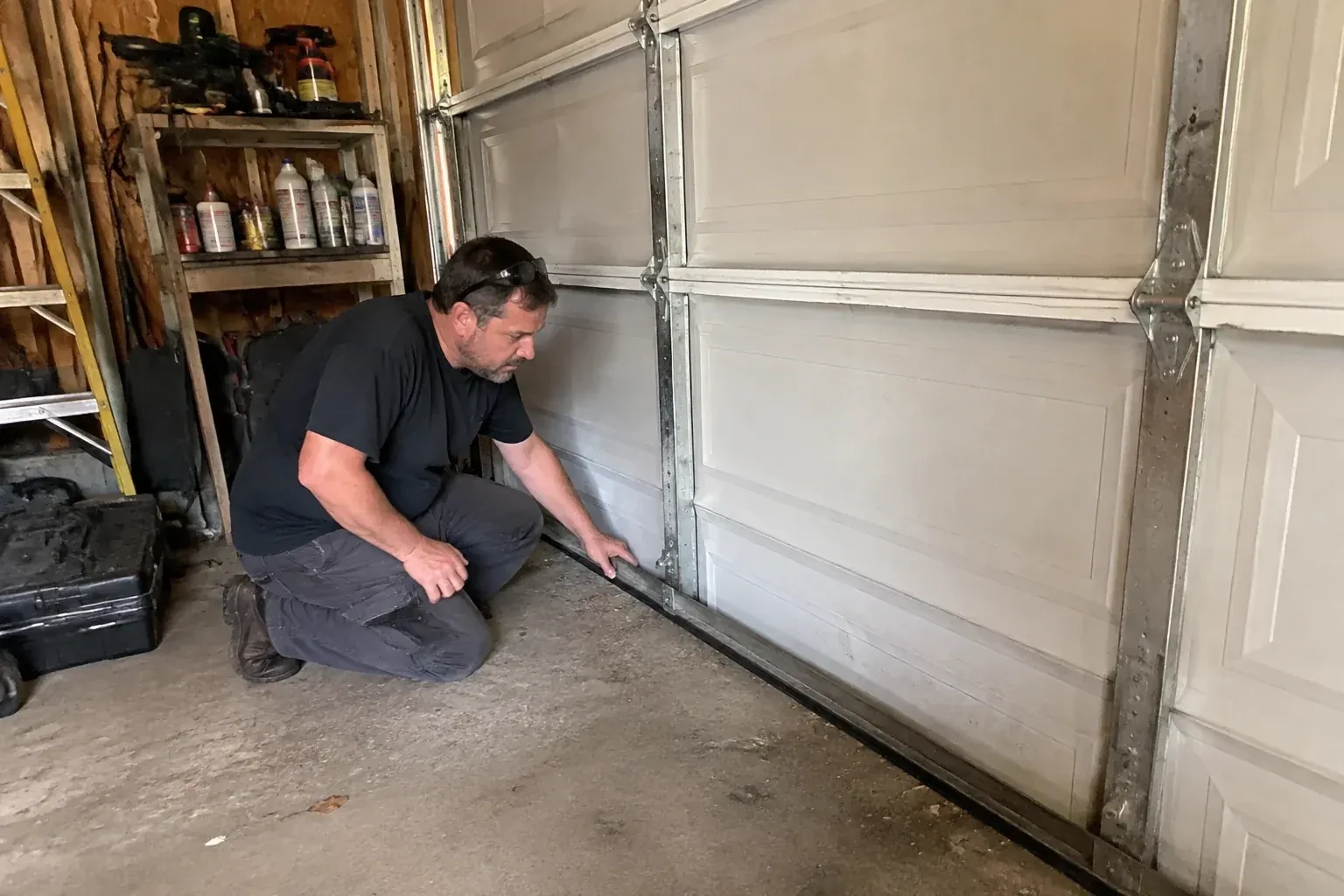
New springs went in last year and the door balances well, yet it still clicks along the ceiling track like a train over rail joints. The wheels are the originals, worn to an oval, and the noise follows them from one end of the travel to the other.
A garage door opener is designed to guide a balanced door, not to haul a rough one. Rollers that bind, wobble or grind add resistance across the whole travel, and the opener answers by working harder, running hotter and tripping its force limit or reversing partway. Replacing worn rollers with a smooth-running set takes that load away, which is why the opener often sounds calmer after the same visit. The technician confirms the door holds its own weight with the opener released, then checks the opener's force and reversal settings once the new rollers are in.
Sound familiar?Downers Corners
Garage Door Roller Replacement · Downers Corners
Scene 1
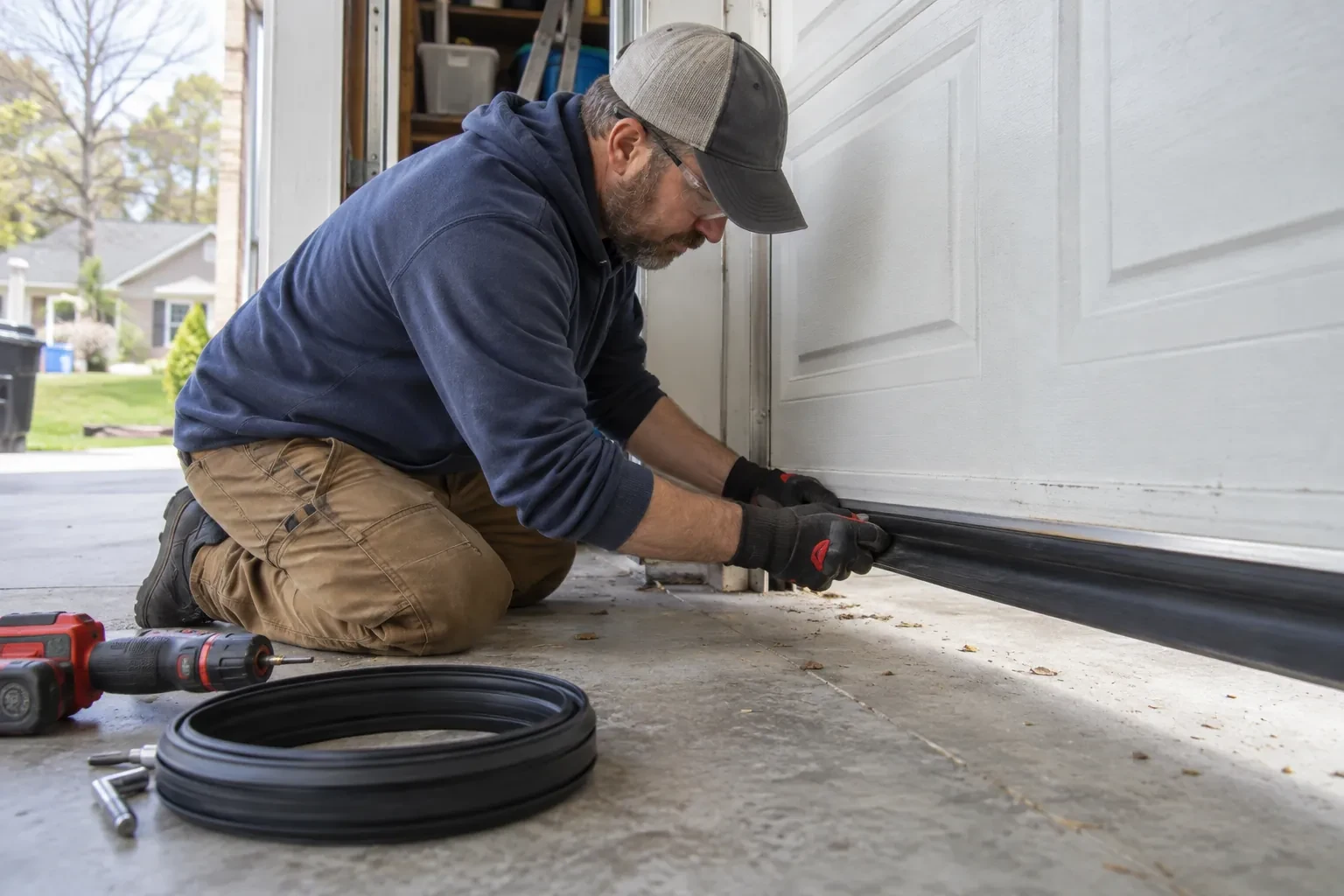
In this climate the foot of the track is where trouble collects. Slush and salt carried in on the tires settle in the bottom few inches, freeze overnight into ridges and leave a brine that attacks steel. The technician looks for corrosion on the bottom rollers and their stems, rust on the bottom brackets, ice damage or flat spots on wheels that have been skidding rather than turning, and the state of the lifting cables that share that wet corner. Finding salt damage here steers the recommendation toward sealed-bearing rollers and a thorough track cleaning, and occasionally toward new bottom brackets as well.
Scene 2
Fresh rollers deserve the right lubricant in the right places. Roller stems and hinge knuckles get a light coat of the door manufacturer's specified lubricant, worked in by running the door a few times. The nylon tire itself is left dry, as is the inside of the track, because grease on those surfaces collects dust and grit that grind the wheel and let it slide instead of turn. Ball bearings are lubricated only where the roller's own maker calls for it, since some nylon rollers should not be greased at all. The technician wipes away any excess so nothing drips onto the car or the floor.
Scene 3
You should know what is on your door. The technician leaves you with the roller type and material, wheel size, stem length by position, bearing count and load rating, along with any hinges, fixtures or brackets replaced and any track adjustment made. Keep this with the owner's manual and the date of the last spring replacement. It answers the questions that come up later, such as which stem length to order if a single wheel is ever damaged, and it lets a future technician see at a glance what the door carries and when it went in.
What shapes the quoteOtonabee Garage Door Services
FeesSame any hour
A heavier door needs rollers with a load rating to match, generally ball-bearing rollers rated around seventy-five to one hundred pounds each rather than the light plastic wheels many doors ship with. It often needs long-stem rollers at the double hinges on the end stiles, and the top rollers, which travel furthest under load, deserve the sturdiest in the set. Nylon with ten or more bearings suits most insulated residential doors; very heavy or commercial-weight doors may still call for steel.
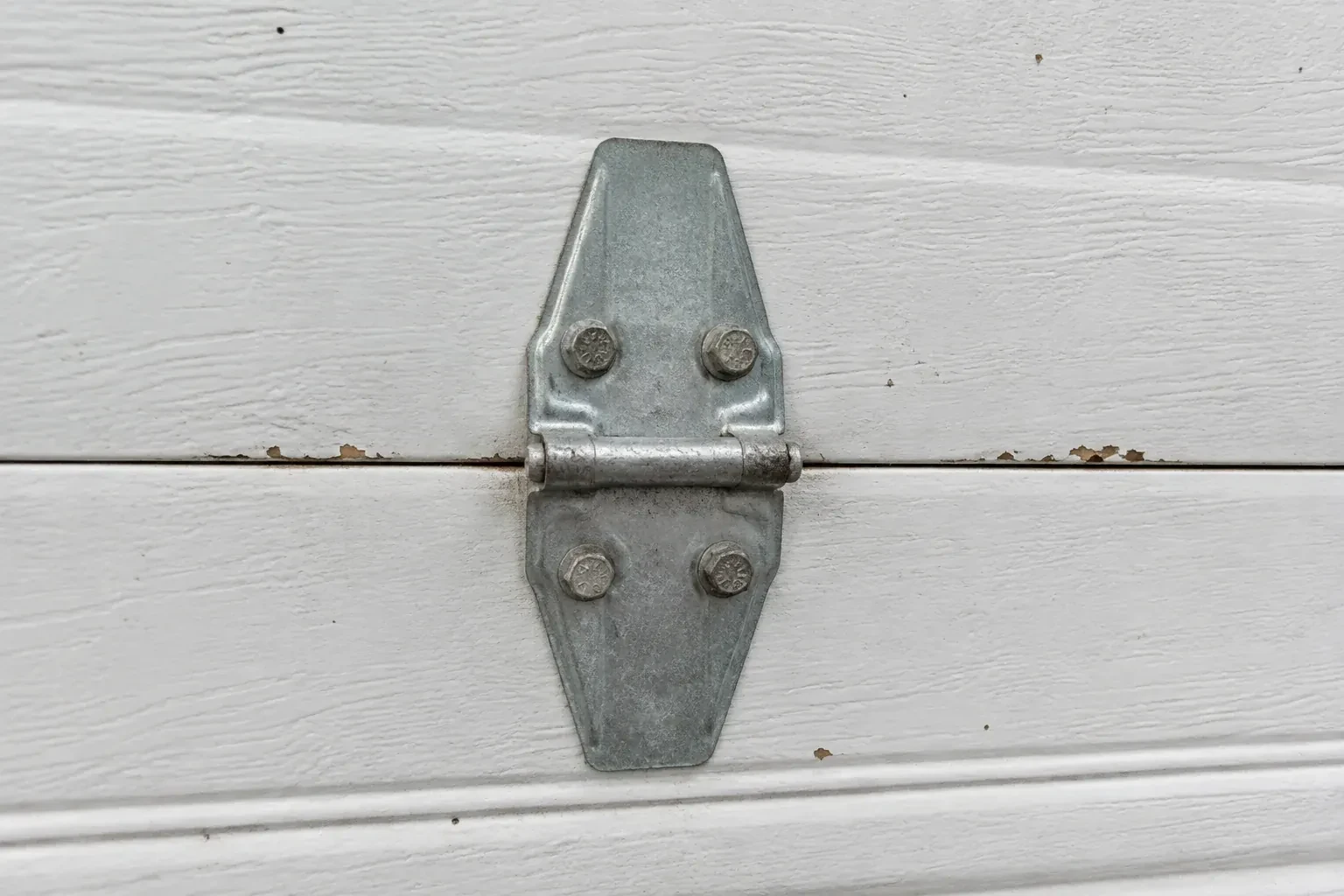
By watching where and when the trouble happens and then checking the parts in that spot. Rollers are spun and wiggled to reveal rough bearings and worn wheels; hinges are checked for cracks, elongated holes and loose bolts; tracks are checked for plumb, dents and spacing. A shudder at the curve tends to be rollers, a pop as sections pivot tends to be a hinge, and a rub the full height of the door tends to be track. Often more than one is involved, and the visit covers them all.
The wheels themselves are usually the same, but their home is not. The bottom rollers sit in the bottom brackets, which also anchor the lifting cables and therefore carry the counterbalance load whenever the door is closed. That is why manufacturers put warning labels there and why this position is handled by a trained technician who either exchanges the roller without disturbing the bracket or relieves the spring tension first. It is also the position most exposed to salt and slush, so it is inspected with extra care.
PeterboroughOntario
Garage Door Roller Replacement · Peterborough, Cavan Monaghan, Otonabee-South Monaghan, Ashburnham, Byersville, Claraday, Coldsprings, Collison Heights, Greenhill, Jackson Heights, Kawartha Heights, Westmount
Every square is one home in a hundred.
On-site assessment
New springs went in last year and the door balances well, yet it still clicks along the ceiling track like a train over rail joints.
(249) 494-2181, open 24/7.
On-site assessment preferred · (249) 494-2181, open 24/7