Garage Doors in Peterborough, OntarioA door that lifts like it should.
Springs, cables, rollers and openers wear a little every day, and most of the time the repair is smaller than it sounds. We look over the whole door, explain what we found in plain words, and leave you with one that runs smoothly again.
Before a technician arrives, we ask a few simple questions: what the door is doing, whether you heard a bang, how old the opener is, whether the door is single or double. Those answers let us bring the right springs and parts, so the visit is about fixing the door rather than coming back with the right box.
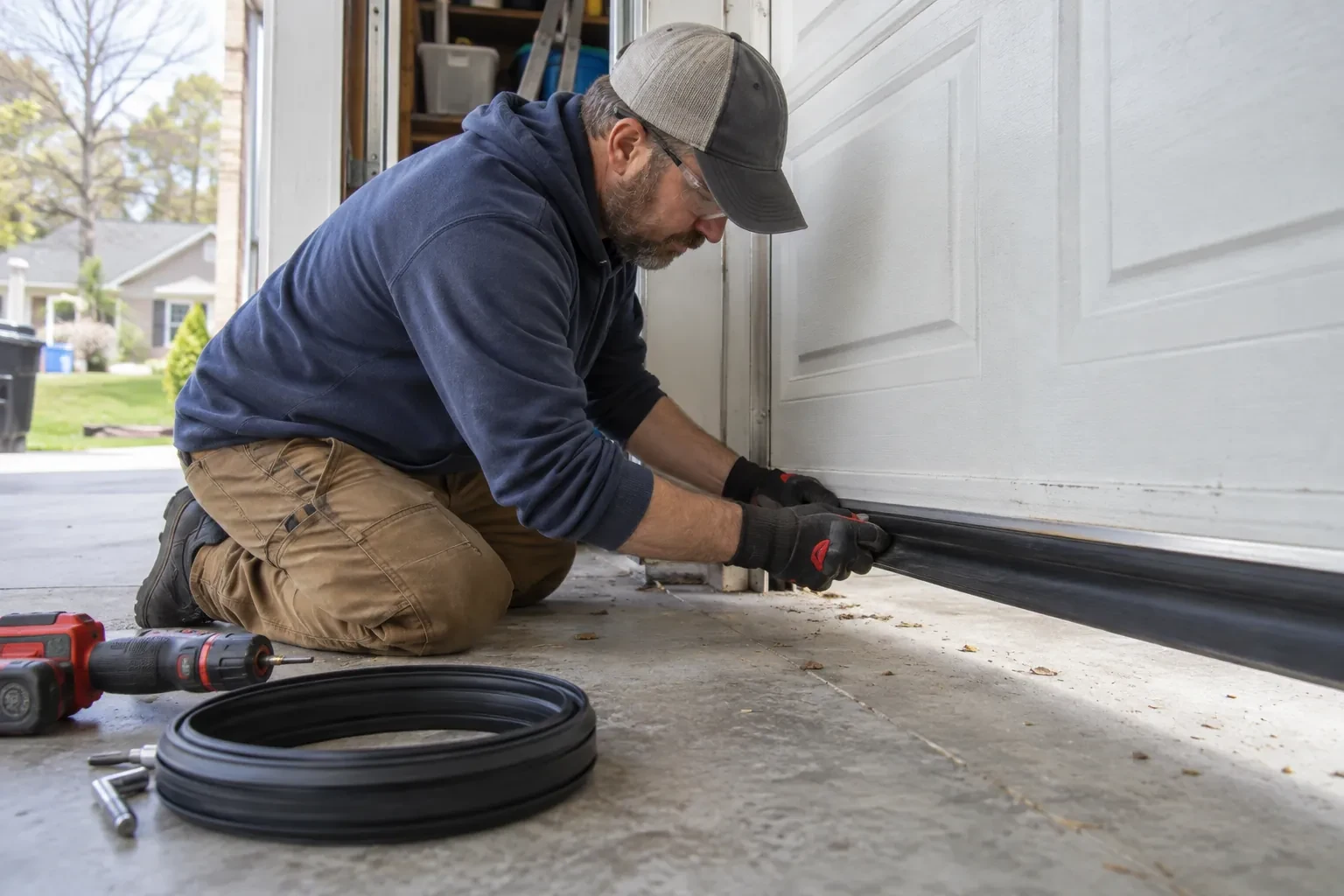
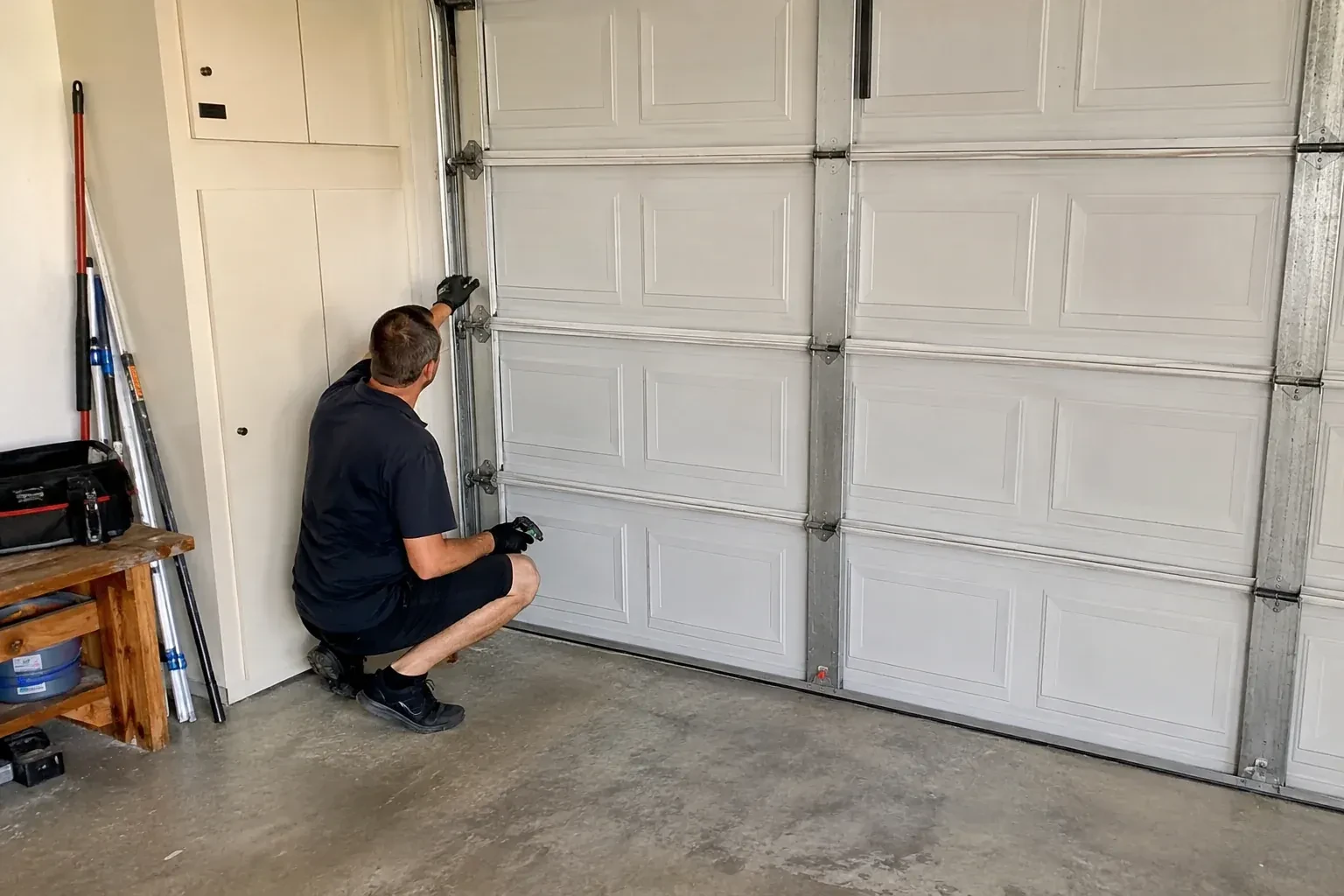
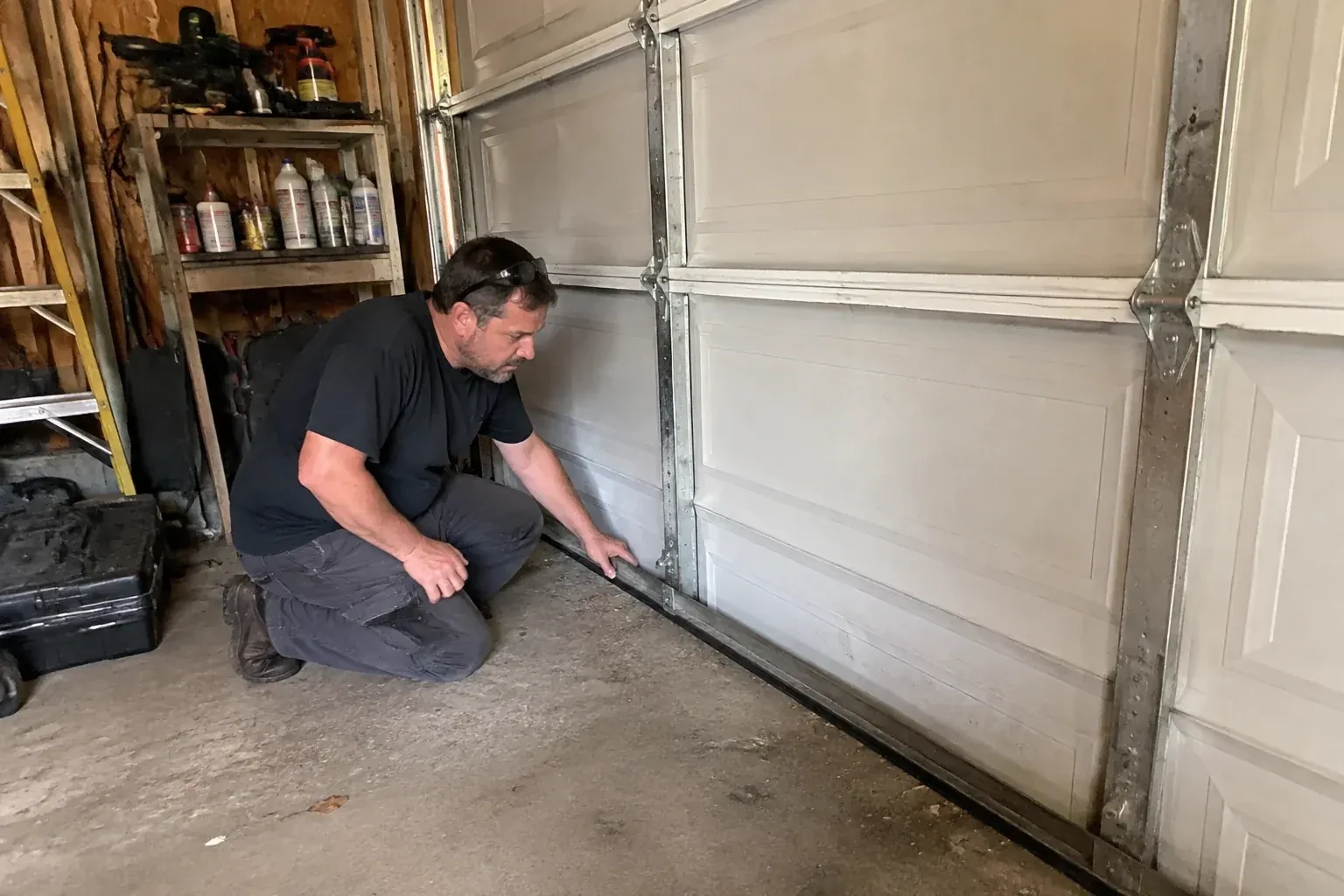
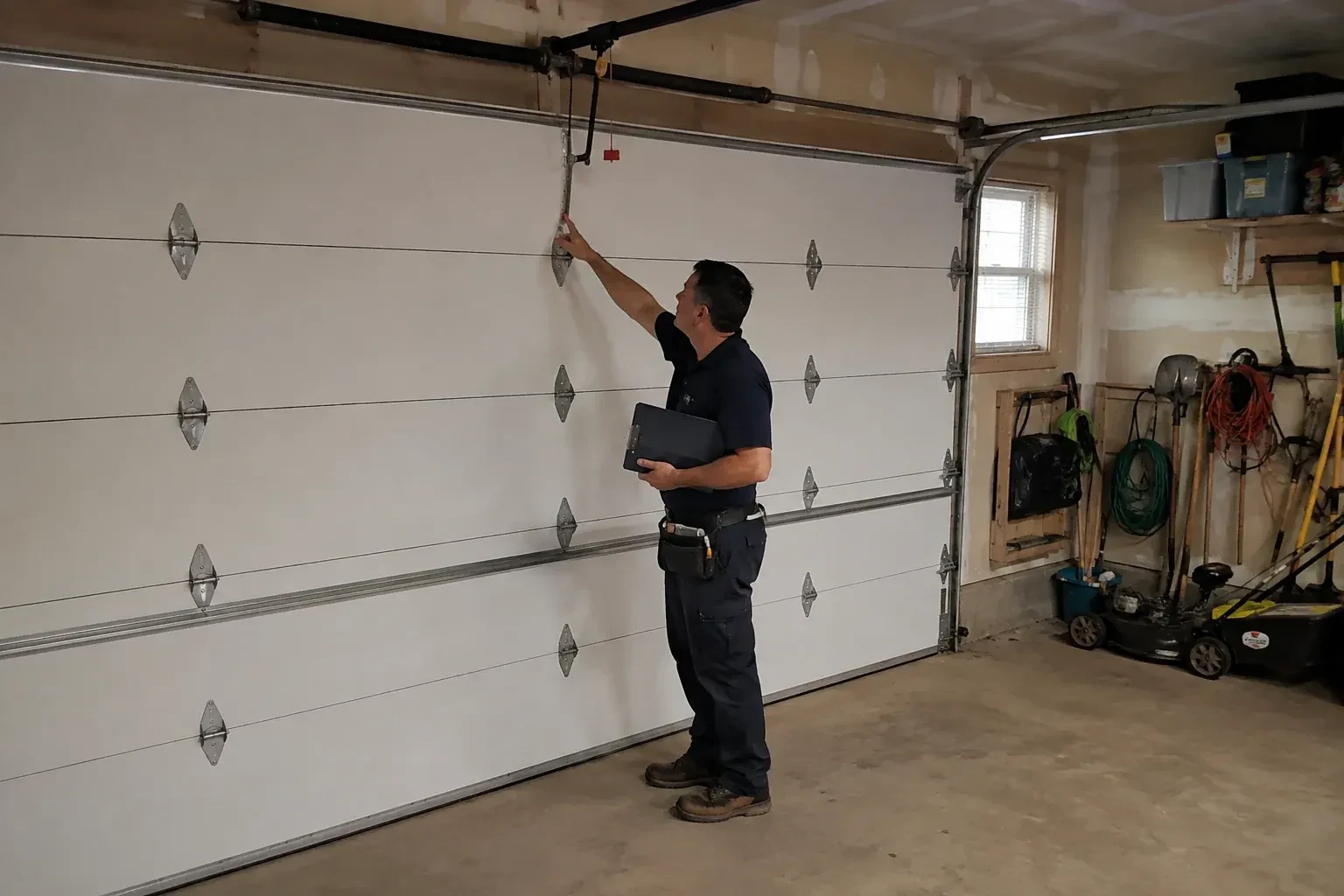
A walk-through of the door. You see what we see: the spring that has stretched, the cable that is fraying, the sensor that is knocked off line.
Care for what is stored. Bikes, tools, seasonal boxes and vehicles are moved or covered as needed, and put back where they were.
Choices that fit your plans. Selling next year, staying for decades or renting out: the right option depends on that, and we ask before advising.
Open 24/7, same fees any hour. Set up a visit
23 years in business · Book your tune-up: (249) 494-2181
Garage door spring replacement
Service for every door
From a sagging wood door on an older home to a glass-panelled door on a new build, we work with the door you have. The services are grouped so you can find repairs, hardware, access controls and installations without hunting.
Springs & HardwareNothing on a garage door stores more energy than a wound spring.
Springs & Hardware
Nothing on a garage door stores more energy than a wound spring.
The largest moving part of your home. Worth a closer look.
A garage door belongs to the architecture. Its movement belongs to your everyday life. We bring both into the conversation.
Job sheet1 of 3
Off-Track Garage Door Reset
The call
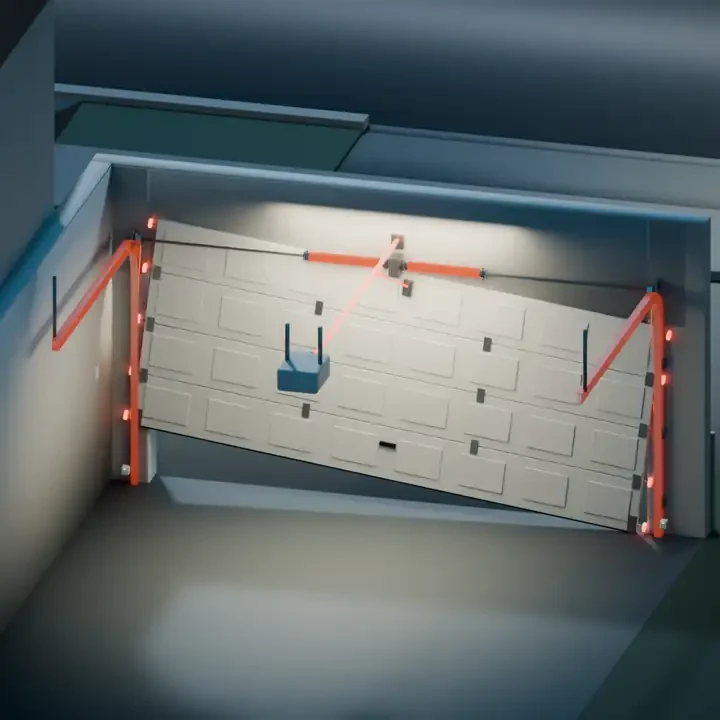
There was a loud bang from the garage, then silence. The door is jammed a third of the way open, wedged at an angle in the tracks, and the opener light is blinking while the trolley slides uselessly along the rail.
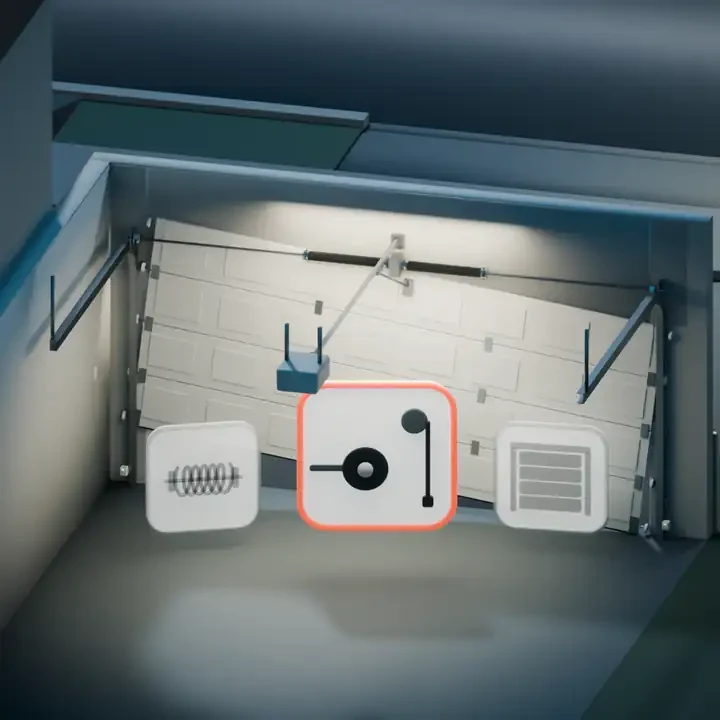
The cable has wrapped itself around the shaft above the door instead of sitting on its drum. When the opener runs, the door lurches, one side rises before the other, and the top panel twists.
Halfway up, the door hesitates and the opener strains before it carries on. Pulled by hand with the opener released, you feel the same catch at the same height, as if a wheel is dragging instead of turning.
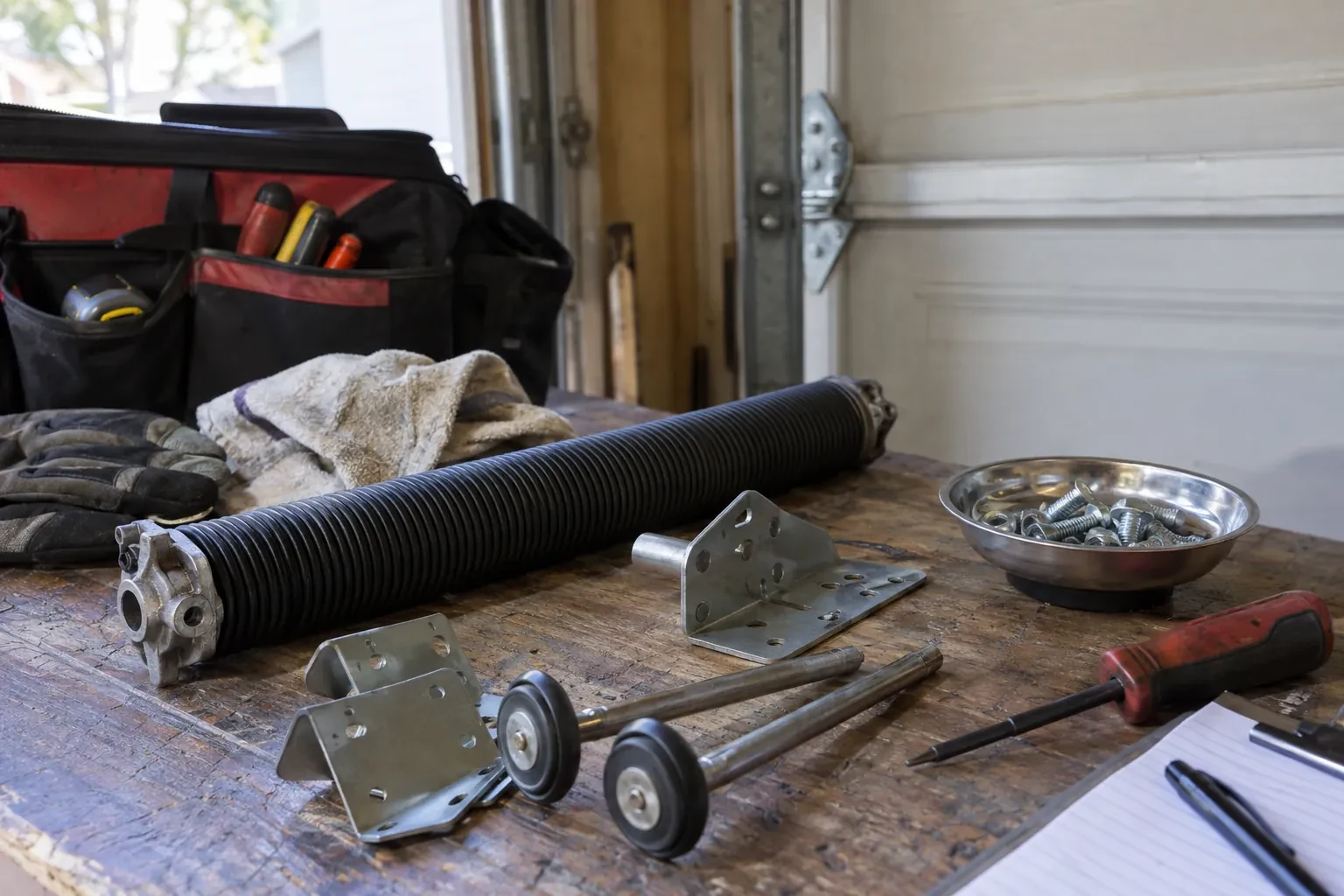
Nothing on a garage door stores more energy than a wound spring. Handling it well means securing the door, releasing the tension in a controlled way, fitting the correct replacement and rewinding to the right count. This category is that work.
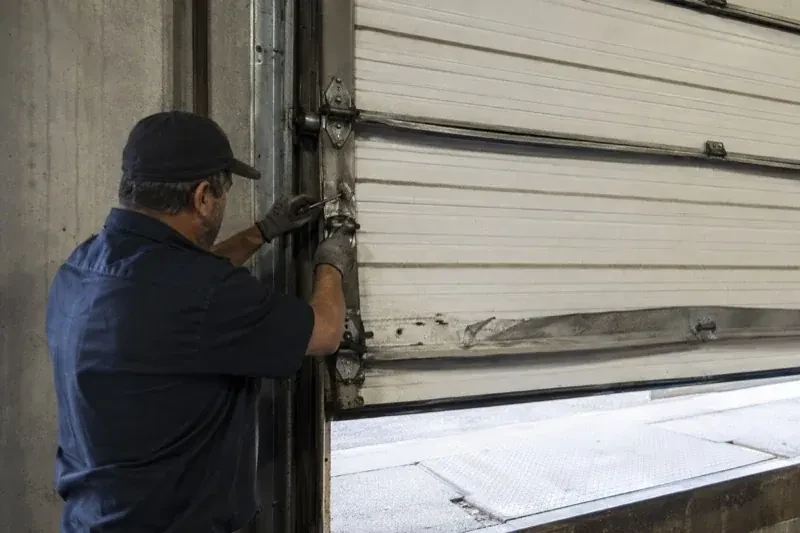
The top section has developed a bend where the opener arm pulls on it. On the way up it flexes visibly, the door hesitates near the top of its travel, and daylight shows through the joint below it when the door is closed.
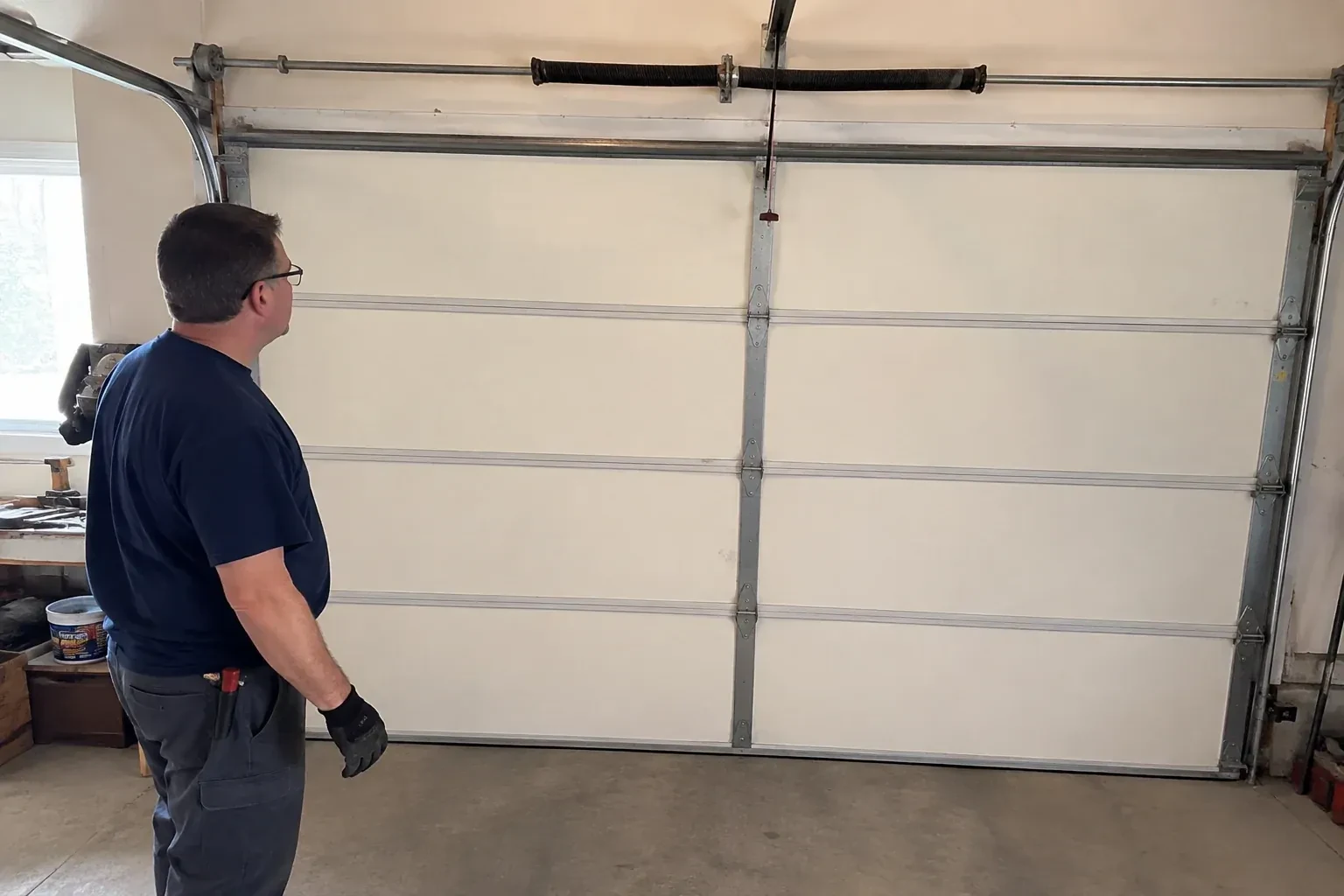
Looking up at the coil above the door, you can see a clean split with a gap of several centimetres between the two halves. The rest of the spring looks fine, but the door has become almost impossible to move by hand.
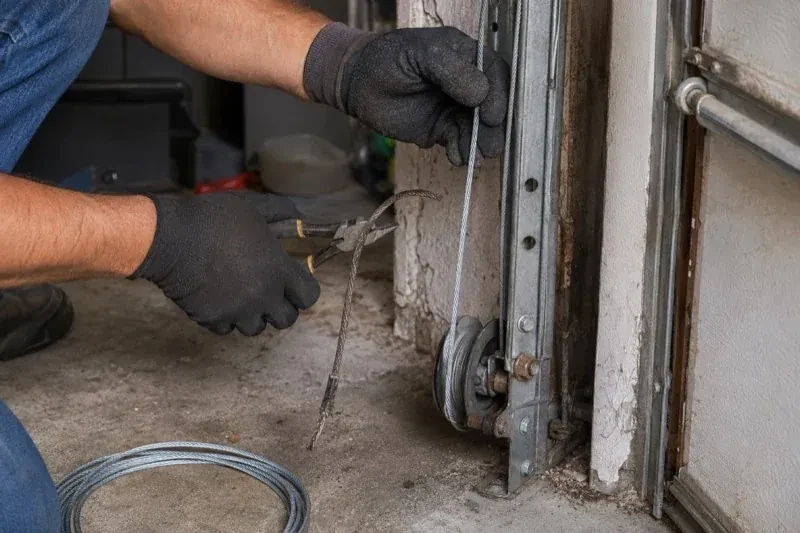
Standing inside with the door closed, you notice the cable on the right side near the floor has gone fuzzy. A handful of broken wires stick out like a bottle brush and the steel underneath is brown.
New springs went in last year and the door balances well, yet it still clicks along the ceiling track like a train over rail joints. The wheels are the originals, worn to an oval, and the noise follows them from one end of the travel to the other.
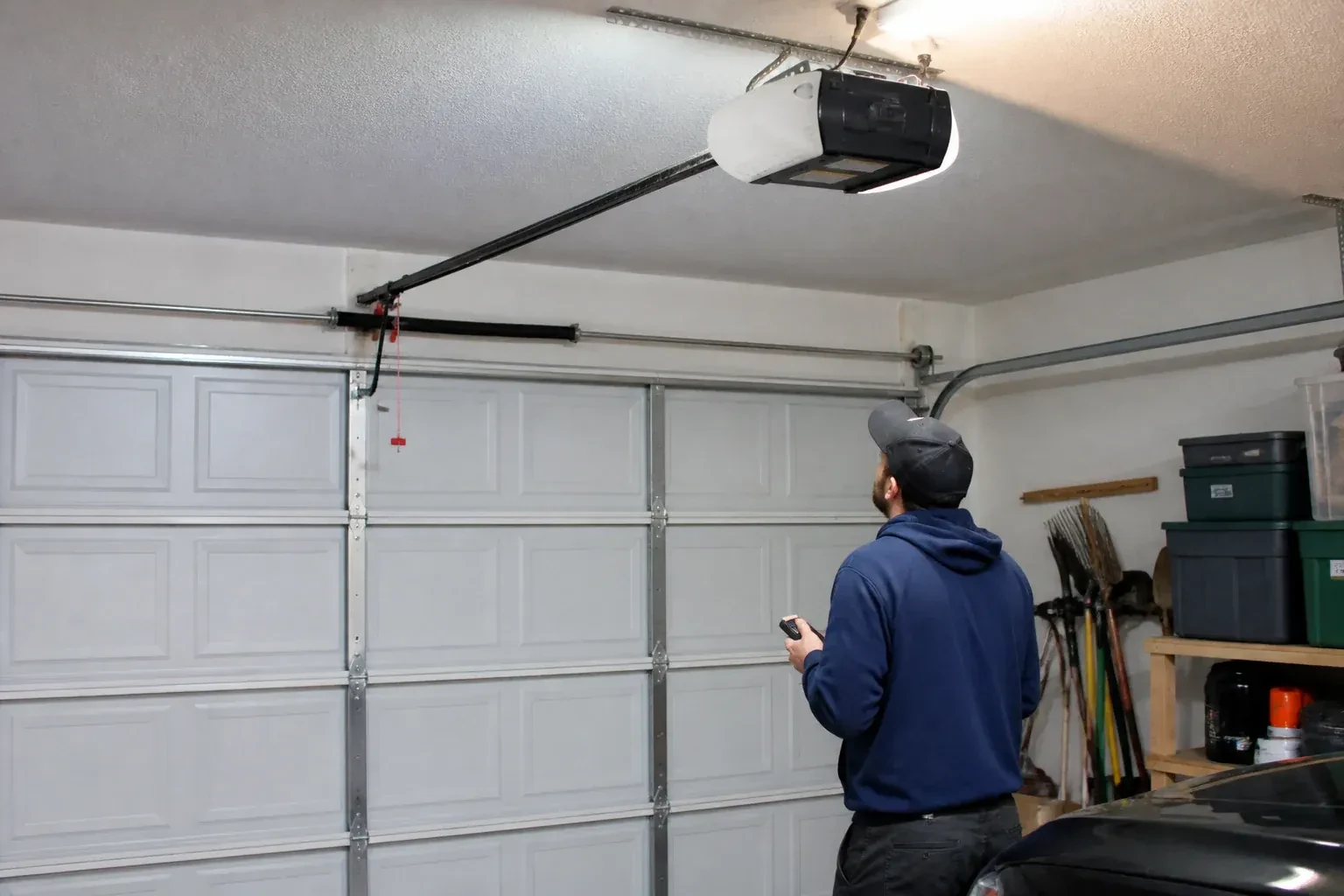
The drive gear inside many openers is a plastic part that eventually strips its teeth, leaving the motor humming while the door goes nowhere. Replacing the gear is often enough, and we can tell you quickly whether it is.
A new door starts with a tape measure. Width, height, headroom, sideroom and the depth of the garage all decide what will fit and how it will run. From there we help you choose the door and we install it with matching hardware.
Before a technician arrives, we ask a few simple questions: what the door is doing, whether you heard a bang, how old the opener is, whether the door is single or double. Those answers let us bring the right springs and parts, so the visit is about fixing the…
Scene 1 of 5
Call and describe the door
On our way
A walk-through of the door
Care for what is stored
Choices that fit your plans
Step 1 of 5
Call and describe the door
Describe the property, the hardware and what has changed, and the visit starts from what you have seen.
Step 2 of 5
On our way
Grinding, slow climbing, a door that reverses: the symptom points to the part. We take it down and plan the visit around it.
Step 3 of 5
A walk-through of the door
You see what we see: the spring that has stretched, the cable that is fraying, the sensor that is knocked off line.
Step 4 of 5
Care for what is stored
Bikes, tools, seasonal boxes and vehicles are moved or covered as needed, and put back where they were.
Step 5 of 5
Choices that fit your plans
Selling next year, staying for decades or renting out: the right option depends on that, and we ask before advising.
About 64% of homes in Peterborough were built in 1980 or earlier, according to the 2021 Census.Wood door frames in an older house settle and swell over the decades, which can leave a door rubbing on one side. Rather than forcing the opener, the technician trues the tracks, adjusts the jamb seals and sets the door so it travels freely again.
Single-detached houses make up about 57% of homes in Peterborough (2021 Census).In mixed neighbourhoods, noise matters differently from one address to the next. A detached house with a bedroom above the garage and a townhouse with a neighbour through the wall both benefit from a belt-drive opener and nylon rollers, and we explain the difference either way.
Otonabee Garage Door Services(249) 494-2181 · open 24/7
Can I lift the door by hand while a cable is off?
Leave it. With one cable slack the door is being carried on one side only, so it is unbalanced and may bind or drop unevenly when moved. The technician arrives with clamps and a method for taking the door's weight before anything is moved, and that is the moment to lift it. Until then a stationary door is exactly what you want.
What stops the door from falling if a cable lets go?
It depends, and not reliably. The other cable and its spring may hold that corner so the door tips and wedges in the track rather than falling square, and the rollers binding can add some resistance, but neither is dependable: the door can still drop unexpectedly on the failed side. Some doors also carry a broken-cable device on the bottom bracket that grips the track if a cable fails. Because the door may not be held at all, the technician clamps and supports it before doing anything else.
How long do lift cables usually last?
Cables tend to live about as long as the springs they work with, often ten years or more on a door used a few times a day, and less on a door that sees heavy use or a wet, salty floor every winter. Rather than a calendar, watch the condition: fraying, rust near the loop or a slack side are the signs the set is due.
What is the difference between galvanized and oil-tempered springs?
Oil-tempered springs are the traditional dark grey or black coil; they hold their tension well over time and are widely used. Galvanized springs have a zinc coating that resists rust, which is useful in damp garages, though they tend to relax slightly and may need a small adjustment after settling in. Both are available in standard and high-cycle ratings, and the technician can explain which suits your garage.